Signs a car has been clocked
How to spot a car with a wound-back odometer, from MOT mileage records to wear that doesn't match the miles.
Updated
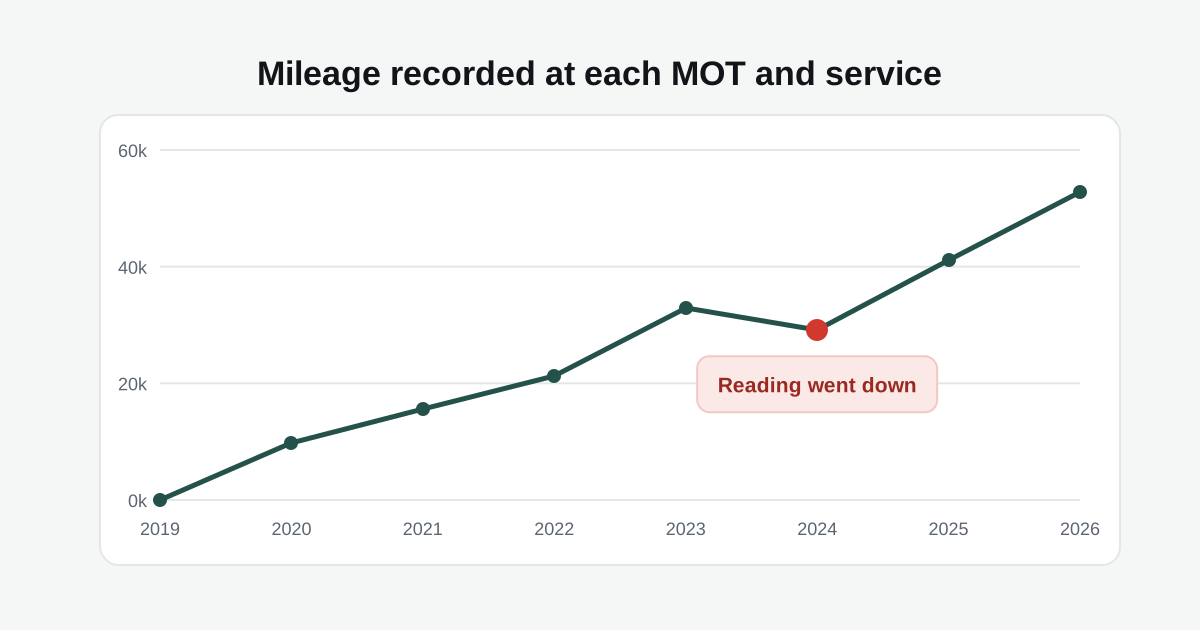
Clocking means winding back a car's mileage so it looks less used than it is. It's been around as long as odometers have, and digital dashboards haven't stopped it: the tools to change a digital reading are cheap and easy to buy. A car showing 40,000 miles when it's really done 90,000 can look like a bargain while being anything but.
Why it matters
Mileage is one of the biggest things that affects a car's value, so a clocked car is almost always overpriced. Worse, it means the car's maintenance is out of step with reality. A car due its timing belt at 100,000 miles won't get one if the clock says 55,000, and that can end with an engine failure.
Selling a clocked car without telling the buyer is illegal, but that's little comfort if you've already bought one from someone who's disappeared.
Check the mileage history first
The single best tool against clocking is free. Every MOT records the mileage, and those readings are public going back to 2005. Readings should only ever go up. If one test shows fewer miles than the test before, you've found a problem.
Our MOT check lists every reading and flags any that go down, so you don't have to spot it yourself.
One lower reading isn't always clocking. Testers do sometimes mistype a mileage, and a garage can ask for a mistake to be corrected. The giveaway is what happens next: if the readings after the drop carry on from the lower figure, the odometer has probably been changed. If they jump back up to where you'd expect, it was more likely a typing error.
Signs on the car itself
Records can't catch everything, especially on newer cars with few MOTs. Look for wear that doesn't match the miles:
- The steering wheel. A shiny, smooth, worn rim is typical of a high-mileage car.
- The driver's seat. Look at the side bolster you slide over to get in. Heavy wear or a brand-new seat cover on a low-mileage car is suspicious.
- Pedal rubbers and the gear knob. Worn smooth means lots of use. Brand-new pedal rubbers on an older car can mean someone has tidied up the evidence.
- Stone chips on the bonnet and bumper. Lots of them suggest lots of motorway miles.
- Scuffed dashboard screws or trim. Can be a sign the instrument cluster has been taken out.
Check the paperwork
Service records carry mileages too. Line them up with the MOT readings: every service mileage should fit between the MOT readings on either side. Our guide on how to check service history explains how. Old MOT certificates, receipts and even old adverts for the car can all show the mileage at a point in time.
What to do if you suspect clocking
Ask the seller about it directly and ask to see paperwork that explains the readings. If they can't, don't buy the car. If you've already bought it, contact Citizens Advice, who can refer it to Trading Standards. If you bought from a dealer, you have rights under the Consumer Rights Act 2015, because a clocked car is not as described.