What is a VIN number?
What the 17 characters of a VIN mean, where to find it on a car, and why it must match the V5C logbook.
Updated
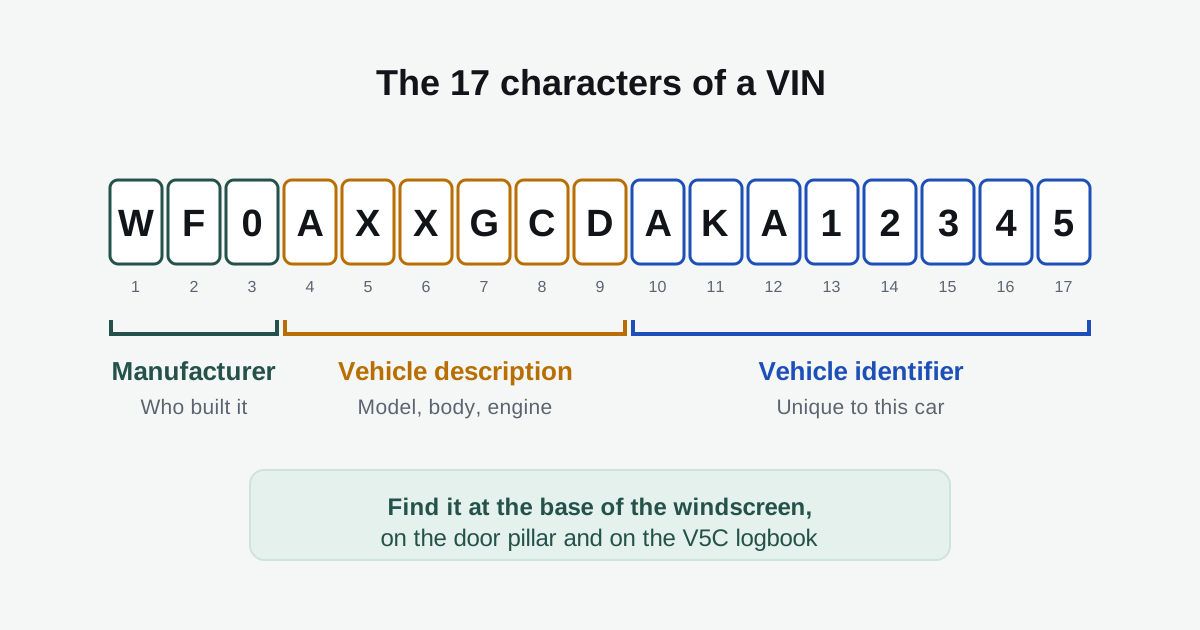
A VIN, or Vehicle Identification Number, is a car's fingerprint. It's a 17-character code that's unique to one car, stamped into the body when it's built and recorded on its paperwork for its whole life. Number plates can change. The VIN doesn't.
(You'll often hear "VIN number", even though the N already stands for number. Everyone knows what you mean.)
What the 17 characters mean
A VIN is made of three parts:
- Characters 1 to 3: the manufacturer. This is the World Manufacturer Identifier, which shows who built the car and where.
- Characters 4 to 9: the vehicle description. Details such as the model, body type and engine, in the manufacturer's own code.
- Characters 10 to 17: the vehicle identifier. This makes the VIN unique to one car. On many cars the tenth character shows the model year and the eleventh shows the factory.
VINs never use the letters I, O or Q, so they can't be confused with the numbers 1 and 0. If you see an O in a VIN, it's a zero.
Where to find the VIN
- At the bottom of the windscreen, usually on the passenger side, visible from outside the car.
- On a sticker or plate on the door pillar, where the door closes.
- Stamped into the metal under the bonnet or under a carpet flap near the front seat. The exact spot varies by make.
- On the V5C logbook, and on insurance and service paperwork.
Why it matters when you're buying
The VIN is how you make sure the car in front of you is the car on the paperwork. Before you buy, check that the VIN on the car matches the VIN on the V5C, character for character, in every place you can find it.
If they don't match, walk away. A mismatched or tampered VIN is the classic sign of a cloned car: a stolen car wearing the number plates of a legal one. A history check on the plates would come back clean, because it's checking the other car.
Our paid reports show the VIN on record for the registration, so you can compare it with the car, and a car spec check shows how it left the factory. Start with a free reg check.
Other uses for the VIN
Garages use the VIN to order the right parts, because two cars that look identical can have different parts underneath. Manufacturers use it for safety recalls. And the VIN is how a car's history stays linked to it even after a private plate has been put on or taken off.