What is an HPI check?
Why people say "HPI check", what the check actually looks at, and how to get the same information for any UK car.
Updated
"Have you done an HPI check?" is one of the first things people ask when you tell them you're buying a used car. It's become the everyday name for a vehicle history check, a bit like people say "hoover" when they mean any vacuum cleaner.
Where the name comes from
HPI is a company. It was one of the first to offer vehicle history checks in the UK, and its name stuck. Today, lots of companies (including us) offer checks built on the same kinds of data, so when someone says "HPI check", they usually just mean "check the car's history before you buy it". We're not connected to HPI Ltd, and "HPI Check" is their name for their own product.
What an "HPI-style" check covers
Whoever you buy it from, a full check looks at the records a seller can't easily hide:
- Outstanding finance, because a car with money owed on it can be taken back by the lender.
- Insurance write-offs, including the category. Here's what the categories mean.
- Stolen markers from the police database.
- Mileage records, to spot a car that's been clocked.
- Plate changes and keeper history, which can reveal a car trying to leave its past behind.
The important bit isn't the brand name on the report. It's making sure the check you buy actually includes finance, write-off and stolen data, because those three are what protect your money. Some cheaper checks leave one or more of them out, so read what's included before you pay. Our pricing page lists exactly what's in each of ours.
Free checks versus paid checks
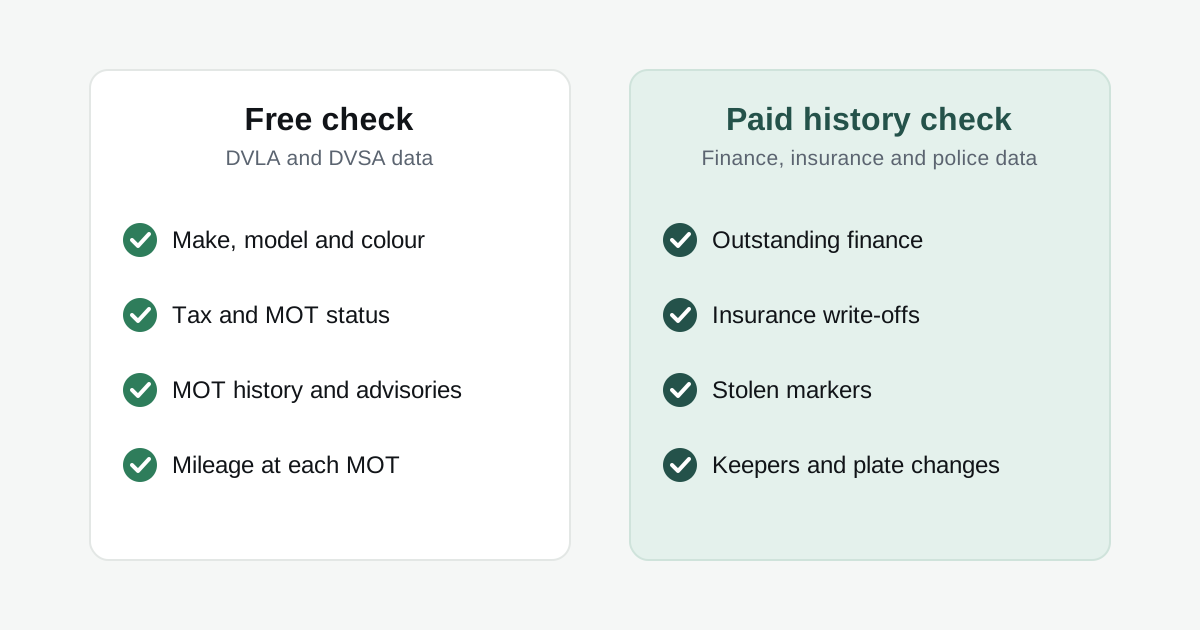
You can check a lot for free. Vehicle details, tax, MOT status and the full MOT history, including the mileage at every test, are all public data from the DVLA and DVSA. A free car check is a good first step, and it will tell you straight away if the car in the advert isn't the car on the record.
Finance, insurance and police records aren't public, so there's always a charge for those. That's the part people usually mean when they say "HPI check".
Is it worth paying for?
Put it this way: if you buy a car with outstanding finance and the lender takes it back, you could lose the whole purchase price. If you buy a written-off car without knowing, you'll probably have overpaid by thousands and may struggle to insure it. Against that, a full check costs less than a tank of fuel.
If you're still deciding, our guide to what a car history check is goes into more detail, and the sample report shows you exactly what you'd get.