What to check before buying a used car
A step-by-step checklist for buying a used car: the history check, paperwork, the viewing, the test drive and paying safely.
Updated
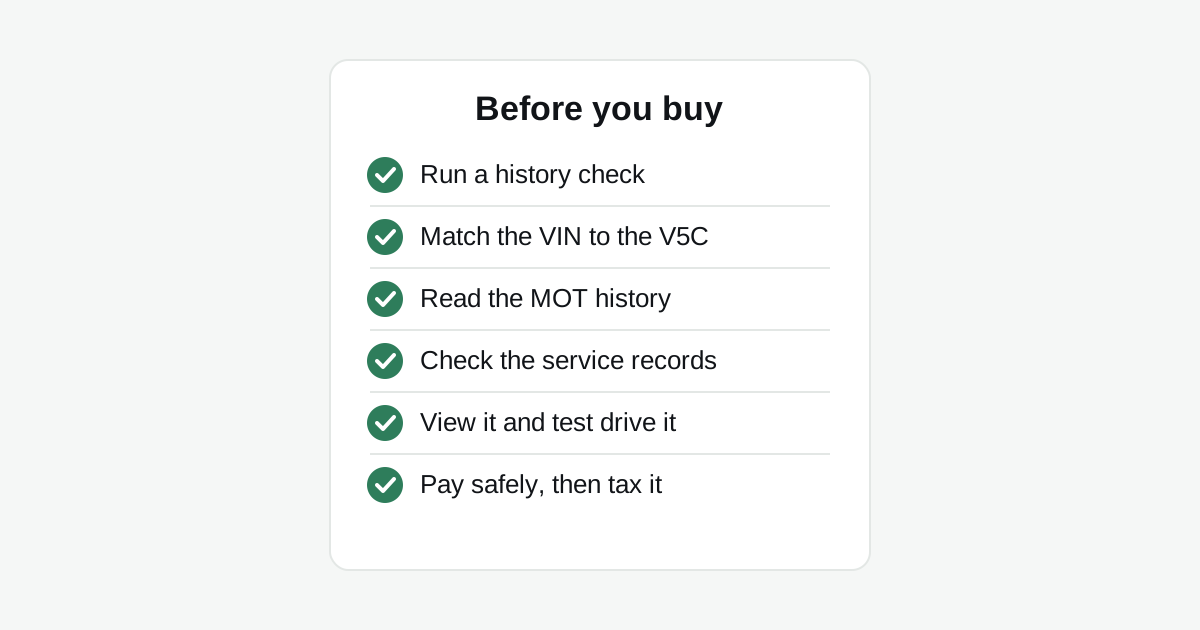
Most bad used car purchases don't happen because the buyer missed something hidden. They happen because the buyer was excited, the seller was friendly, and a few basic checks got skipped. This checklist is the order we'd do things in, from the moment you spot an advert to the moment you drive away.
Before you go and see it
Do the paperwork checks from your sofa. They cost little or nothing, and they rule out a surprising number of cars before you waste a Saturday on them.
- Run the reg. A free car check confirms the make, model, colour and engine match the advert, and shows whether it's taxed and has a valid MOT. If the advert says "grey" and the DVLA says "blue", ask why.
- Read the MOT history. Look for the same advisory coming back year after year, and for mileage that goes down. Our guide to MOT advisories explains which ones matter.
- Get a full history check. The free data doesn't tell you about outstanding finance, insurance write-offs or stolen markers. A car history check does, and it's the check that protects your money.
- Compare the price. Look at a few similar cars with similar mileage. A car that's much cheaper than the rest usually has a reason.
The paperwork
When you see the car, ask for the V5C logbook before you look at anything else. It should be the original, not a photocopy, and the keeper's name and address should match the person selling it and the place you're standing.
Then find the VIN on the car itself. It's usually at the bottom of the windscreen and on a door pillar. It must match the VIN on the V5C, character for character. If it doesn't, walk away: that's the classic sign of a cloned car. Our guide to VIN numbers shows you where to look.
Ask for the service history too. A stamped book is nice, but plenty of newer cars have digital records instead, so don't panic if there's no book. Here's how to check service history either way.
Looking round the car
Do this in daylight, and in the dry if you can. Rain hides a lot of bodywork sins.
- Look along each side of the car for ripples, and check the gaps around the doors, bonnet and boot are even. Uneven gaps or paint that doesn't quite match can mean accident repairs.
- Check all four tyres, plus the spare if there is one. Uneven wear on one edge can point to alignment or suspension problems.
- Open the bonnet with the engine cold. Look for leaks, check the oil level and colour, and look under the oil filler cap for a creamy residue.
- Turn the ignition on and make sure every warning light comes on, then goes off once the engine starts. A light that never comes on at all may have been disabled.
- Check the wear on the steering wheel, gear knob, pedals and driver's seat matches the mileage. A shiny, worn steering wheel on a "30,000-mile" car deserves a question or two, and our guide on signs a car has been clocked covers the rest.
The test drive
Make sure you're insured before you drive it. Then take it on a mix of roads, including a faster road if you can, and drive for at least 15 minutes so the engine gets fully warm.
- The clutch shouldn't bite right at the top of the pedal, and the gears should change smoothly without crunching.
- On a straight, quiet road, the car should run straight without pulling to one side.
- Brake firmly (when it's safe) and feel for pulling, juddering or noises.
- Listen for knocks over bumps and whines or rumbles at speed.
- Try everything: air conditioning, windows, central locking, lights, infotainment and parking sensors.
Paying for it
Never pay in full with a big pile of cash, and be very wary of anyone who insists on it. A bank transfer leaves a record. If you're buying from a dealer, paying at least part of the price on a credit card gives you extra protection for purchases between £100 and £30,000.
Get a written receipt with the car's details, the price, the date, and both your names and addresses. If the history check showed outstanding finance, don't pay the seller until the finance is settled: read buying a car with outstanding finance first.
After you've bought it
Vehicle tax doesn't transfer with the car, so you need to tax it before you drive it away, even if the seller had tax on it. You'll need the reference number from the V5C new keeper slip. Make sure your insurance is in place from the moment you own it, and check that the seller has told the DVLA about the sale.